Column · @mydechromeserviceblog
Why a Professional Dechrome Service Matters Before Your Next Vinyl Wrap
Understanding the Role of Dechrome in Vehicle Wrapping
When I first started working with automotive film in Singapore, I assumed that wrapping a car was mostly about picking the right color and having steady hands. That assumption changed the first time I saw a wrap fail because the underlying chrome trim had not been properly treated. The lesson was simple: no matter how good your vinyl wrap is, if the chrome beneath is peeling or lifting, the wrap will follow. That is where a proper dechrome service comes into play.
Many car owners focus entirely on the wrap itself, on the gloss finish or the matte finish they want, on the custom wrap design that will make their car stand out. They forget that the car's existing chrome trim, the shiny strips around windows and along doors, can ruin the final look if left untreated. A dedicated dechrome service removes that chrome trim entirely before any wrap is applied. It sounds like a small step, but it makes the difference between a wrap that lasts years and one that needs repairs in months.
What Dechrome Actually Involves
Dechrome is the process of removing the factory-installed chrome trim from a vehicle. In Singapore, where humidity and rain are constant factors, that chrome can start to corrode or lift over time. When you apply a new wrap over failing chrome, you are essentially gluing your new finish to a surface that is already unstable. The result is bubbling, peeling, and an uneven look that no amount of lamination can fix.
A proper dechrome service uses heat guns, plastic scrapers, and sometimes mild solvents to loosen the trim without damaging the paint beneath. It is a delicate job. If you rush it, you risk scratching the car paint or leaving adhesive residue that will show through the new wrap. I have seen cars where the installer skipped the dechrome step and simply wrapped over the trim. Within six months, the wrap was lifting along every chrome strip. The owner had to pay for a second wrap, plus the cost of removing the old one. A single dechrome service would have saved them that expense.
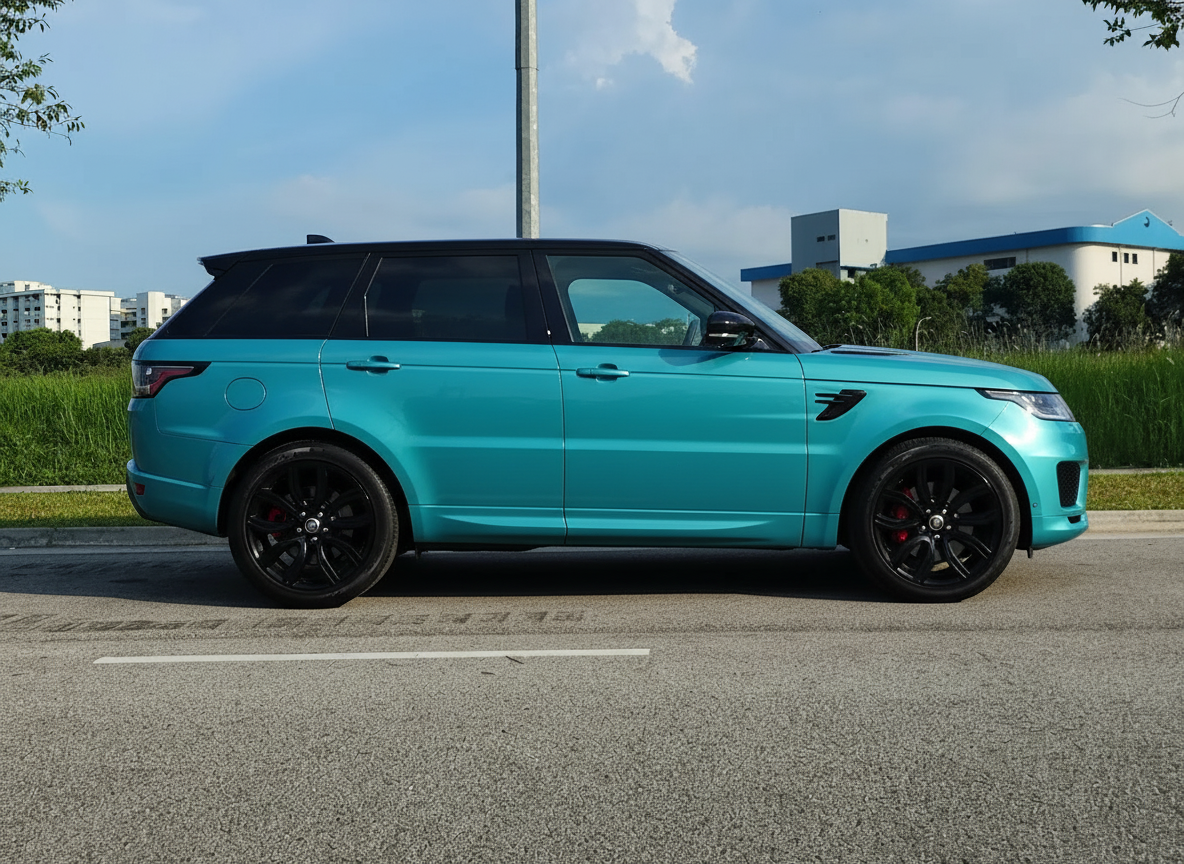
Why It Matters for Vinyl Wrap Longevity
Vinyl wrap is a durable product, especially when you use reputable materials like 3M or Avery Dennison. These films are designed to withstand UV exposure, heat, and minor abrasions. But they are only as good as the surface they adhere to. If that surface is uneven, dirty, or compromised by failing chrome, the adhesive cannot bond properly. The wrap may look fine in the showroom, but after a few weeks in the tropical sun, it will start to show problems.
This is especially true for color change projects where the owner wants a seamless look. If you are wrapping the entire car, you want the finish to be continuous from panel to panel. Chrome trim breaks that visual flow. By removing it through a dechrome service, you create a clean canvas for the wrap. The result is a uniform surface that looks like a high-quality paint job, not a cover-up.
The Difference Between Wrapping and Painting
Some people ask why they should bother with wrap removal or dechrome when they could just repaint the car. The answer is flexibility. A vinyl wrap can be changed every few years without damaging the original car paint. It protects the factory finish underneath. But that only works if the wrap is applied correctly the first time. If you skip the dechrome step, you risk damaging the paint when you eventually remove the wrap, because the failed chrome will pull the wrap and the paint together.
I have worked with shops that offer both a car preview service and a free quote before any work begins. That preview is not just about showing you colors. It is about examining the car's existing trim and advising whether a dechrome service is needed. A good installer will walk you around the car, point out areas where the chrome is lifting, and explain how that will affect the final look. That kind of transparency is rare, and it is worth seeking out.
Materials and Techniques in Modern Dechrome
The tools used in dechrome have improved over the years. Old-school methods involved scraping with metal tools that often left scratches. Today, most professionals use plastic blades and controlled heat to soften the adhesive without damaging the car paint. In some cases, a solvent like adhesive remover is applied to dissolve any leftover glue. The goal is to leave the surface as clean as if the chrome never existed.
After the dechrome service, the area is usually cleaned with isopropyl alcohol to remove any oils or residues. Then a primer or adhesion promoter may be applied, especially if the car paint is glossy and smooth. This step is critical for ensuring that the 3M or Avery Dennison film sticks properly. Some installers skip this step to save time, but it almost always leads to problems later. A proper installation always includes surface preparation, and dechrome is the first part of that process.
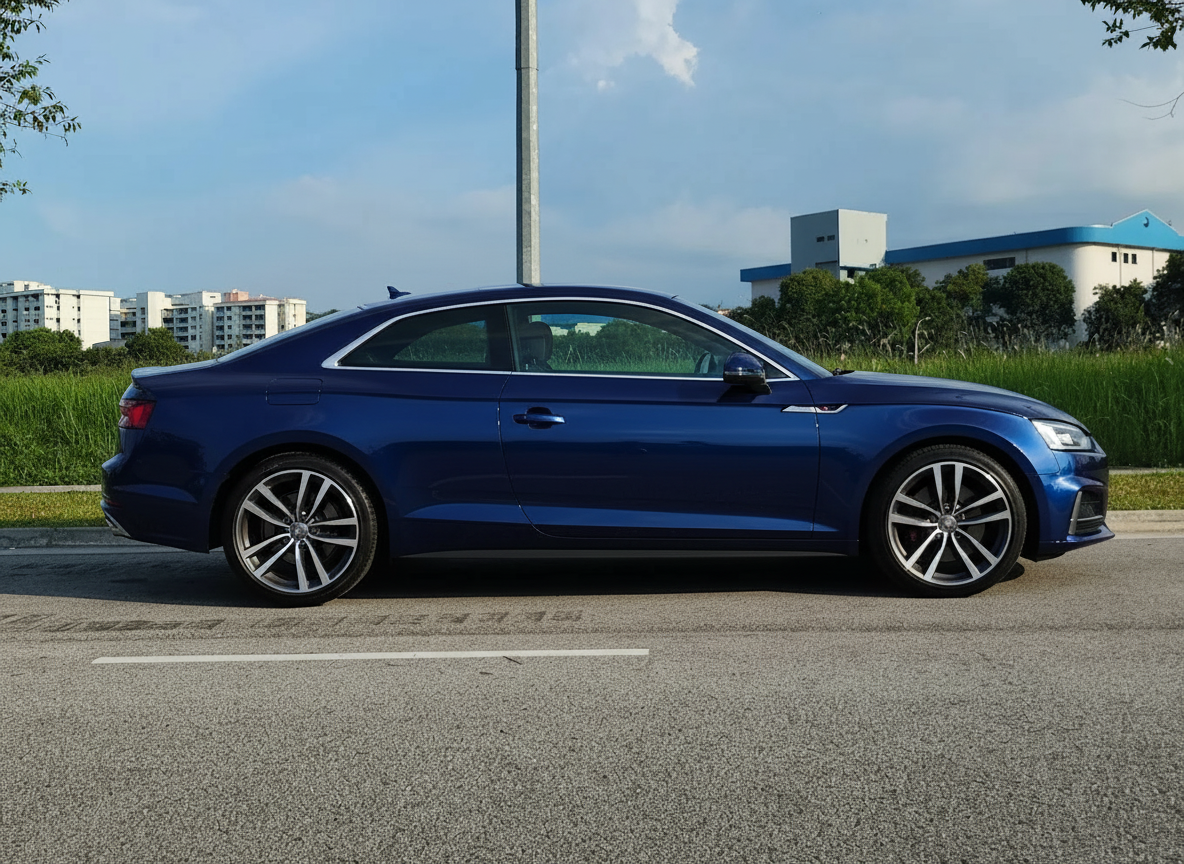
Real Examples from Singapore Workshops
I remember visiting a small shop in the eastern part of Singapore. They had a showcase of completed wraps, all of them on cars that had undergone a full dechrome service. The owner showed me a Toyota that had been wrapped in a deep metallic blue. The finish was flawless. There was no bump or ridge where the chrome trim used to be. He explained that the dechrome step took an extra hour, but it saved them from having to redo any part of the wrap later.
In contrast, I saw another car at a different shop where the installer had tried to wrap over the chrome. The wrap was from a reputable brand, but the chrome had started to lift at the edges. The owner was unhappy, and the shop had to strip the entire wrap and start over. That second job cost more than the first, and the owner ended up paying for a dechrome service anyway. It is a classic case of short-term savings leading to long-term costs.
Dechrome and Personalisation
Personalisation is a big part of why people choose vinyl wrap over paint. You can get any color, any finish, any pattern. You can match your car to your personality. But that personalisation only works if the base is right. A custom wrap on a car with failing chrome is like putting a beautiful frame on a damaged painting. The frame does not fix the problem, it just hides it for a while.
If you are considering a wrap for your car in Singapore, I recommend asking the installer about their dechrome service upfront. A reputable shop will be honest about whether your car needs it. They will also offer a car preview so you can see the exact design on your vehicle before any work begins. That preview is a chance to discuss the condition of your chrome and decide together on the best approach.
Final Thoughts on Wrap Preparation
The best vinyl wrap in the world will fail if the surface is not prepared properly. Dechrome is not a luxury add-on. It is a necessary step for any car that has chrome trim, especially if that trim is more than a few years old. The cost is modest compared to the cost of a full re-wrap. And the peace of mind knowing that your new finish will last is worth the extra time.
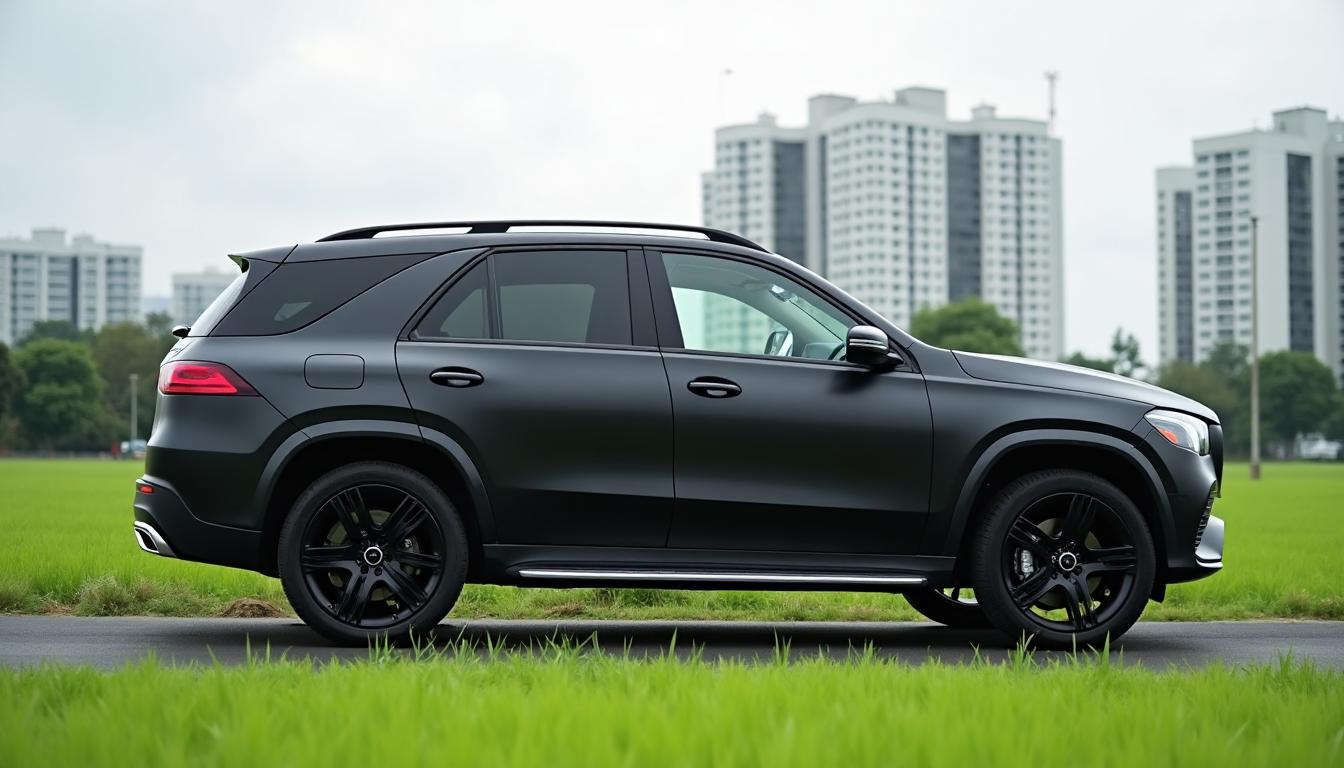
When I talk to car owners who have had a bad wrap experience, the most common mistake they mention is not dealing with the chrome first. They assumed the wrap would cover everything. It does not. The wrap will conform to the surface, but it will not fix a failing substrate. A professional dechrome service removes that variable and gives the installer the clean, stable surface they need to do their best work.
Whether you are after a gloss finish, a matte finish, or something in between, the foundation is the same. Start with a clean car. Remove the chrome. Then apply the wrap. That sequence has never failed me, and I have seen it work on hundreds of cars in Singapore. If you are serious about carcraft and personalisation, make sure your installer offers a proper dechrome service before they start cutting any film.